
Certain hikes test your stamina. Others shift your entire perspective. The Sandakphu and Phalut trek does both. Whether you follow the traditional path from Manebhanjan upward or flip the journey and begin near Phalut, you’re walking the same trails — yet the experience feels entirely different. Same mountains. Same forests. A completely transformed adventure, shaped by the direction you choose.
Sandakphu Phalut Trek: Forward Route vs Reverse Route Comparison
| Aspect | Forward Route (Manebhanjan → Sandakphu → Phalut) | Reverse Route (Phalut → Sandakphu → Manebhanjan) | Winner / Better For |
| Starting Point | Manebhanjan (lower altitude) | Near Phalut (higher altitude) | – |
| Ascent/Descent Pattern | Gradual ascent throughout, then some descent | Immediate high altitude, mostly descent-heavy | Forward (for acclimatisation) |
| Difficulty Level | Moderate Gradual altitude gain, easier on lungs | Moderate Early high altitude exposure, more strain on knees | Forward (for beginners) |
| Acclimatisation | Excellent – slow and natural | Moderate – sudden high altitude start | Forward |
| Scenic Experience | Slow-burn: views build gradually Anticipation increases with every step | Dramatic opening: sweeping meadows & panoramas from Day 1 | Depends on preference |
| View Build-up | Incremental – glimpses → full panoramas | Immediate grand views, ends in dense forest | Forward (classic feel) |
| Sunrise/Sunset Experience | Standard angle and composition | Different angle and light composition | Tie (different but equally beautiful) |
| Crowd Level | Higher – popular, lively trail, more trekkers | Much quieter, often feels private/solitary | Reverse (for solitude) |
| Trail Atmosphere | Social, community feel at campsites | Peaceful, silent, personal connection with nature | Reverse (for quiet seekers) |
| Best For | First-timers, beginners, those wanting classic experience | Repeat trekkers, experienced hikers, solitude seekers | – |
| Logistics & Support | Better – easier transport, more guide/porter options | Requires more planning (especially exit from Manebhanjan) | Forward |
| Accommodation & Food | Same (teahouses & homestays) | Same (teahouses & homestays) | Tie |
| Mental Challenge | Steady build-up, motivating | Early high-altitude exposure can feel demanding | Forward |
| Physical Demand on Knees | Less strain initially | Higher strain during early descent stages | Forward |
| Recommended For | New trekkers, those seeking gradual adventure | Experienced trekkers wanting a fresh perspective | – |
1. Understanding the Forward Route Experience
The forward route is the classic Sandakphu experience. It begins at Manebhanjan and winds steadily upward through rhododendron forests and ridge trails toward Sandakphu — the highest peak in West Bengal — before continuing to the remote grasslands of Phalut. The gradual ascent is intentional: it gives trekkers the time they need to acclimatise while building anticipation with every kilometre gained in altitude.
What makes this route particularly rewarding is how the landscape unfolds in stages. Each campsite reveals a slightly wider, slightly more breathtaking slice of the Singalila Ridge. By the time you reach Sandakphu’s summit, the panoramic view of four of the world’s five highest peaks — Everest, Kangchenjunga, Lhotse, and Makalu — feels like a genuine reward, earned with every step. This route is widely considered the perfect introduction to high-altitude trekking in the eastern Himalayas.
2. What Makes the Reverse Route Unique
The Sandakphu Phalut reverse trek flips the narrative entirely. Beginning close to Phalut and walking toward Sandakphu, this route is far less predictable and considerably quieter than its forward counterpart. Trekkers who have already completed the traditional path often choose this direction for the sheer novelty of experiencing a familiar trail from an unfamiliar angle — and what a different angle it is.
Rather than building toward a climax, the reverse route opens dramatically. You encounter sweeping meadows and distant ridge panoramas early on, which creates a sense of immediacy that forward trekkers only discover much later in their journey. If solitude and a break from predictable crowd patterns matter to you, the reverse trek delivers both without compromising on scenery.
3. Scenic Differences Between the Two Routes
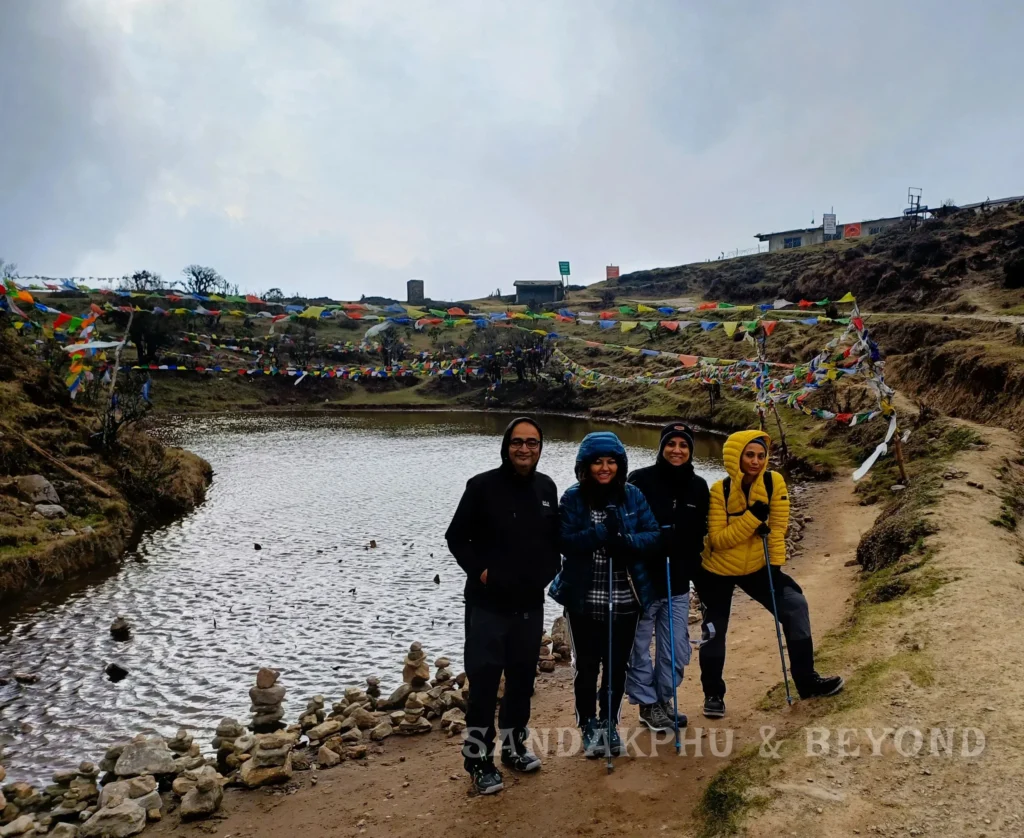
The landscapes themselves are identical — the trails overlap almost entirely. What changes is the emotional rhythm of those landscapes. On the forward route, views build incrementally. Trekkers catch glimpses of snow-capped peaks through the trees, and those glimpses slowly widen into full panoramas as altitude increases. This creates a slow-burn appreciation that many describe as profoundly satisfying.
On the reverse route, the drama arrives early. Meadows and open ridge walks dominate the first day or two, with the dense Singalila forest closing in as you descend toward Manebhanjan. Sunrise and sunset experiences also shift noticeably: the angle of the golden hour light falls differently depending on which direction you’re facing, and the peaks appear in varying compositions from each camp. Neither experience is lesser — they simply tell the story of the Singalila Ridge from opposite ends.
4. Difficulty Level and Physical Demand
Both routes are rated moderate, and first-time trekkers can comfortably attempt either with adequate preparation. That said, the physical feel of each direction differs meaningfully. The forward route’s gradual ascent from Manebhanjan eases you into altitude, making the body’s adjustment to thinner air feel natural and manageable.
The Sandakphu Phalut reverse trek moves in the opposite direction — you begin at higher elevations near Phalut and descend progressively. While this can feel less taxing on the lungs, the initial days can be mentally demanding because you’re exposed to high altitude immediately. Knees also take more strain on the descent-heavy early stages. Basic fitness training, including cardio and leg strengthening, is recommended for both routes, but especially if you’re attempting the reverse path without prior high-altitude experience.
5. Crowd and Trail Experience
The forward route is the more popular of the two — it’s the route most operators default to, which means it sees considerably more foot traffic, particularly during peak season in spring and autumn. This creates a livelier trail atmosphere, with fellow trekkers at campsites, shared dining hall conversations, and a sense of community along the ridge.
The reverse route, by contrast, is far quieter. Many stretches feel almost private, especially in the early morning hours when mist still clings to the ridgeline. If you’re the kind of trekker who finds silence essential to connecting with the mountains — who prefers to hear your own footsteps rather than the shuffle of a dozen others — the reverse path offers something increasingly rare on popular Himalayan routes: genuine solitude.
6. Accommodation and Logistics
Accommodation along both routes is functionally similar. You’ll find a mix of teahouse lodges and homestays at regular intervals, offering basic but warm shelter, hot meals, and the particular hospitality that mountain communities are known for. Food and bedding are consistent enough that neither route disadvantages you in terms of comfort.
Logistics, however, do differ. The forward route is better supported in terms of transport connections, guide availability, and porter experience. The reverse trek may require more careful advance planning — particularly for arranging pick-up at Manebhanjan, which becomes your endpoint rather than your starting point. Experienced operators like Sandakphu & Beyond can manage these logistics seamlessly, ensuring the itinerary runs without friction regardless of which direction you choose.
Why Experienced Trekkers Prefer the Reverse Route?
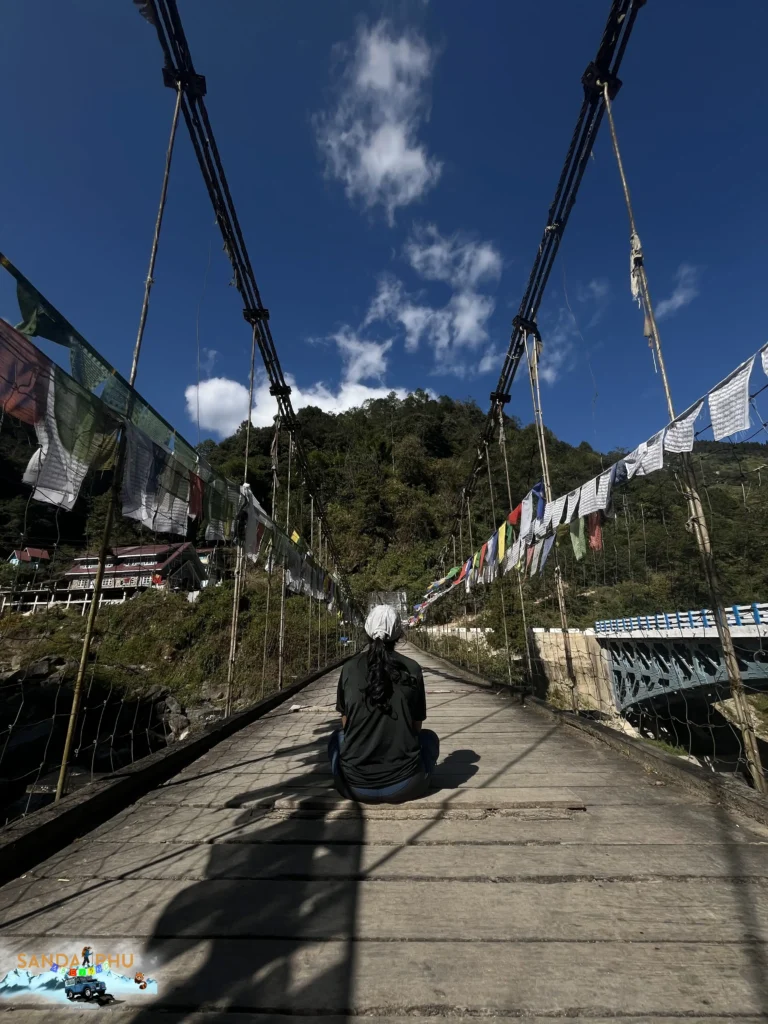
Among returning trekkers — those who have already completed the Sandakphu Phalut route once or more — the reverse direction has quietly become the preferred choice. It’s not about difficulty for its own sake. It’s about the desire for a fresh experience on a familiar trail. Doing the same route in reverse is a surprisingly effective way to see it anew: familiar landmarks appear from different angles, camps feel different at alternate times of day, and the overall narrative arc of the journey shifts.
There’s also a subtle psychological reward to beginning at Phalut. You start at the high point, and the entire journey becomes a long, reflective walk downward — through memories accumulated on the ascent, past views you saw in the opposite light. It’s an adventure that rewards those who already know what to look for, and surprises them anyway.
Conclusion
Choosing between the forward and reverse route isn’t a question of right or wrong — it’s a question of what kind of trekker you are right now. First-timers and those seeking a classic Himalayan arc will find everything they need in the forward route: steady acclimatisation, a building sense of wonder, and a summit moment that feels entirely earned. Repeat trekkers and those craving something quieter and less predictable will find the reverse route transformative in ways they don’t expect.
The Sandakphu and Phalut trek, organised by trusted operators like Sandakphu & Beyond, offers both comfort and novelty across either direction. Whichever path you take, the Singalila Ridge will deliver — its peaks, its forests, and its particular quality of Himalayan silence are equally magnificent from either end.